In the Marrakech souks, haggling is not a fight, it is the normal way a price is set. The only rule that matters: name a price you are willing to pay, and be willing to walk away if it is refused. Everything else, including the percentages people will quote at you, follows from that.
How haggling actually works
You will be told to offer a third of the first price, or a half. That is a poor approximation, because the first price depends entirely on what the seller thinks you will accept. The same rug can open at 800 or at 3 000 dirhams depending on how you walked into the shop.
The only reliable method is the reverse: decide first what the object is worth to you, say it, and hold. If the seller accepts, the deal is good for both of you. If not, thank them and leave. Being called back from the doorway is common.
- Do one lap buying nothing, to see opening prices on the same kind of object in three shops.
- Do not show enthusiasm for the piece you actually want. Ask the price of three things, including that one.
- Name your price once, clearly, and move up only in small steps.
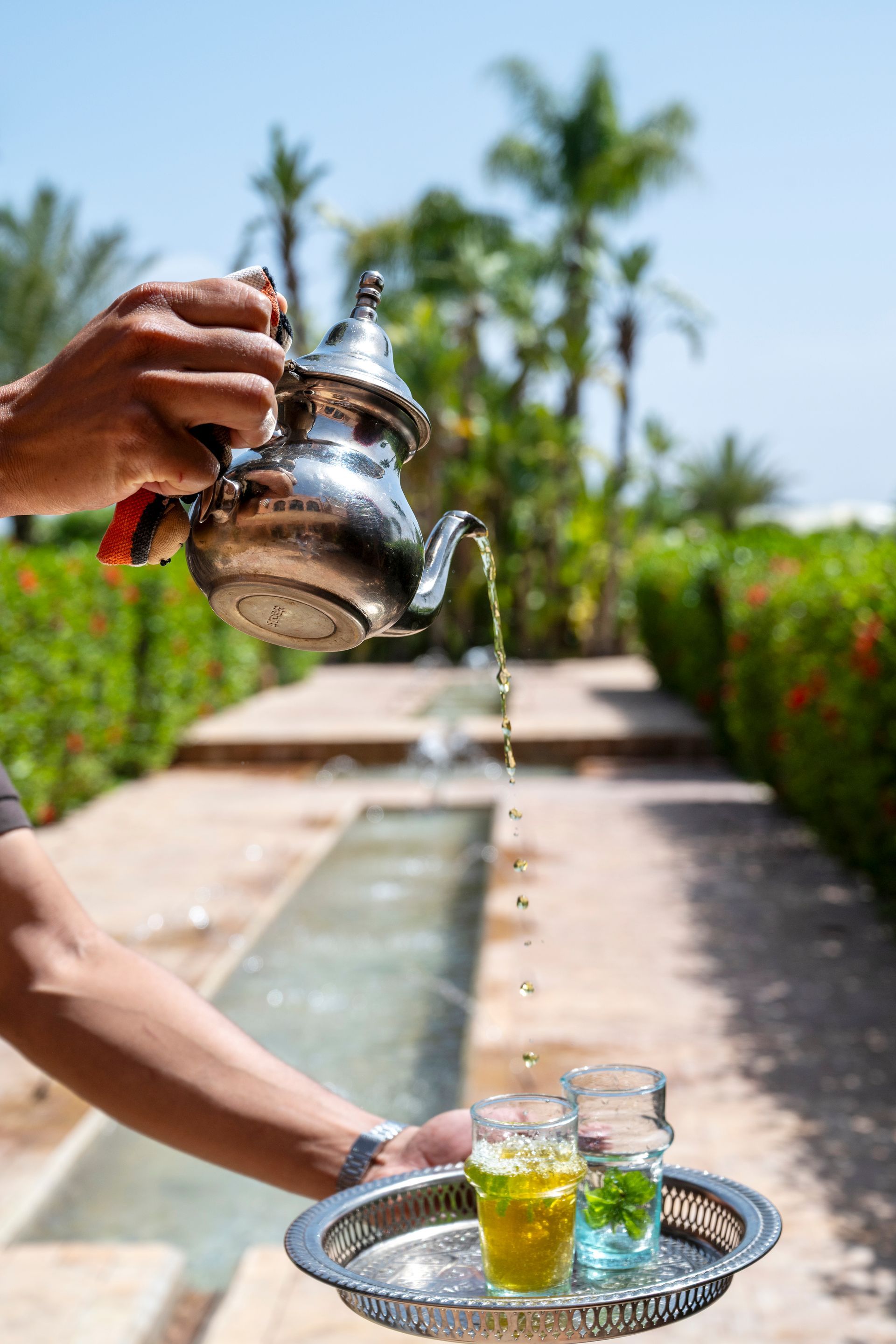
- Accept the tea if it is offered, without feeling obliged to buy. It is hospitality, not a contract.
- Be ready to walk. It is your only real leverage, and it works.
- Once a price is agreed, do not reopen it. You do not renegotiate a handshake.
Discover our three houses Request a private-hire quote
What is worth buying
| Item | What to check | Note |
|---|---|---|
| Rugs | Wool or cotton, even knots, the reverse | The biggest commitment: take your time |
| Leather goods | Smell, stitching, lining | Beware dyed leather that bleeds |
| Safi or Fez ceramics | No chips, even glaze | Fragile: insist on proper packing |
| Babouches | Stitching, sole | Sized small, try both feet |
| Spices and saffron | Colour, smell, origin | Real saffron is expensive: distrust cheap |
| Argan oil | Cosmetic or culinary | Two different products, do not confuse them |
| Thuya woodwork | Marquetry, the smell of the wood | More an Essaouira speciality than a Marrakech one |
| Lanterns and metalwork | Welds, finish | Bulky: think about the luggage home |
The traps, and how to avoid them
- The unofficial guide who takes you to the right shop. He earns a commission, built into the price you pay. Refuse once, then stop answering: see the Marrakech safety guide.
- A price quoted after the fact, for carrying something, a photo or a service. Always ask first.
- Fake saffron, usually safflower. Real saffron is expensive per gram and is not sold in large cheap handfuls.
- Badly tanned leather that smells strongly and bleeds. Smell before you buy.
- Cosmetic argan sold as culinary, or the reverse. They are distinct products with different smells.
- Promised hotel delivery for a rug. Pay on delivery if you can, or ship through an identifiable carrier.
When to go, and how to find your way
Early morning, between 9 and 11 am, is the best moment: shops are opening, crowds are thin and sellers have time for a real conversation. Mid-afternoon the alleys are dense and scooters circulate. Early Friday afternoon is quieter, with many businesses closed for prayer.
For orientation, forget GPS: it loses signal under the covered alleys. Instead note the direction of Jemaa el-Fna, which works as a universal return point, and remember a visible landmark near the shop you intend to return to. Getting lost is normal and harmless in daylight.
Paying, packing, bringing it home
- Cash. Cards work in a few large shops, not in the souks, and never without a fee.
- Small notes. A 200-dirham note for a 60-dirham purchase often produces no change at all.
- Have ceramics packed in front of you, with paper and card, not just a bag.
- Think about baggage allowance on the way out, not the way back: a rug or a dinner service is expensive as excess. See the flights guide.
- Keep receipts for valuable items, useful at customs.
Buying better, with someone who knows
The difference between a good and a bad purchase rarely comes down to haggling: it comes down to knowing whose workshop to visit. The best craftsmen are not on the busy routes, and they call out to nobody. One address from someone who lives there beats three hours of bargaining.
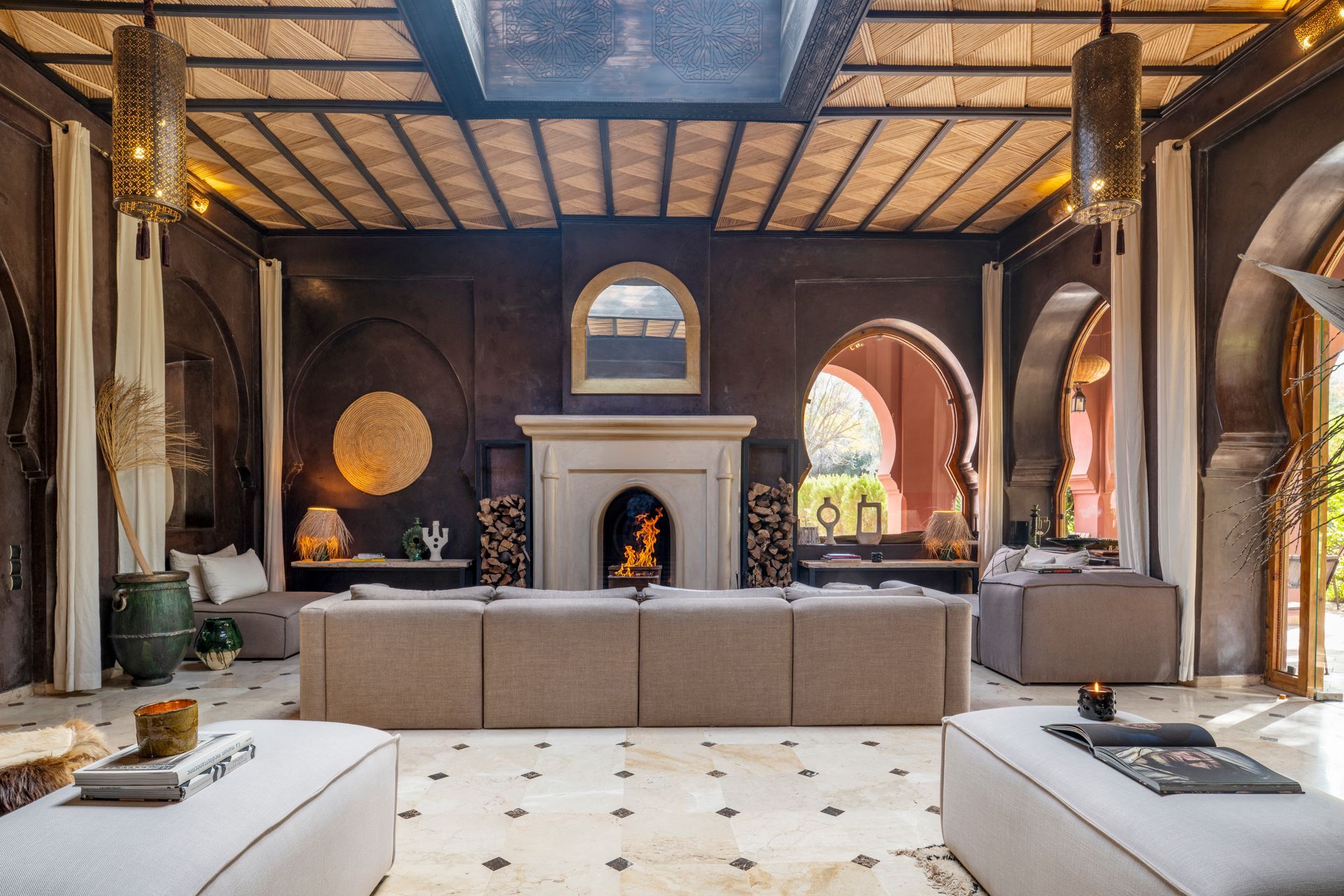
That is one of the things a staffed house provides: craftsmen's addresses, someone with you if you are buying something serious, and an honest estimate of what a piece should cost. Bab Akoul Medina sits in the middle of the souks; Bab Akoul Palmeraie and Bab Akoul Atlas organise the day in town. The Moroccan food guide covers what to eat and what to bring home on the spice side, and the private villa guide what a private hire includes.
Enquire about a private hire See exclusive offers
See Bab Akoul Palmeraie See Bab Akoul Atlas See Bab Akoul Medina
Frequently asked questions about the Marrakech souks
How do you haggle in the Marrakech souks?
Decide what the item is worth to you, name that price once and hold it. Be willing to walk away if it is refused: that is your only real leverage, and it often works.
How much should you offer below the asking price?
The one-third and one-half rules are worth little, because the opening price depends on what the seller thinks you will accept. Compare in three shops first, then set your own price.
What should you buy in Marrakech?
Rugs, leather goods, ceramics, babouches, lanterns, saffron and argan oil. Check quality rather than price: a well-knotted rug and unchipped ceramics are worth what they cost.
How do you spot real saffron?
It is expensive per gram and is not sold cheaply in large quantities. Very affordable saffron is usually safflower. Judge by colour, smell and price.
Can you pay by card in the souks?
Rarely, and almost never without a fee. Bring cash in small notes: a 200-dirham note for a 60-dirham purchase often creates a change problem.
What is the best time to visit the souks?
Between 9 and 11 am: shops are opening, crowds are thin and sellers have time for a real conversation. Mid-afternoon the alleys are dense and scooters circulate.